Source Single Layer Greenhouse Rack and Pinion for Ventilation
Find and compare single layer greenhouse rack and pinion systems for aquaculture, flower cultivation, and vegetable production. This sourcing guide lists 15 available options featuring steel-plastic or glass structures with customizable ventilation accessories for commercial and ecological applications; compare the available evidence and request quotations based on your requirements.
Key considerations
Products List


Comprehensive Sourcing Guide
Single Layer Greenhouse Rack and Pinion Sourcing Guide
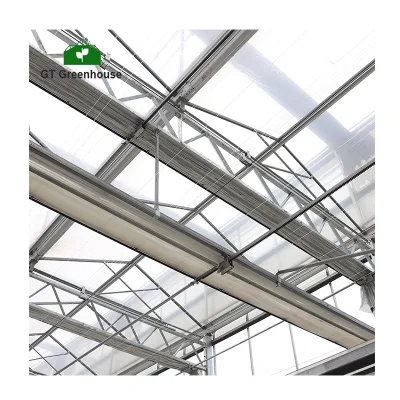
Procurement teams must first distinguish between single-layer greenhouse structures and complex multi-span systems when sourcing rack and pinion mechanisms. The available data indicates a specific product category where the layer attribute is explicitly defined as single, yet other listings describe multi-span configurations. Buyers should verify that the mechanical transmission system matches the structural integrity of a single-layer design, ensuring the rack and pinion can handle the specific load dynamics of arched roof shapes without the redundancy found in larger commercial complexes.
The observed product scope includes diverse applications ranging from aquaculture and seedling cultivation to the overwintering of poultry and livestock. While some listings suggest ecological symbiosis methods, the core mechanical component must be compatible with the intended cultivation method, whether it is aeroponics or traditional soil-based farming. Sourcing decisions should prioritize units labeled for production greenhouses or ecological greenhouses, as the ventilation accessories and rack systems are engineered for specific roof shading and window opening functions within these distinct operational environments.
Product Scope and Observed Listing Signals
Buyers should analyze the observed price range of 0.7 to 50 USD as a signal of significant variation in material quality and manufacturing complexity. This wide disparity often reflects differences between simple film-covered structures and more robust steel-plastic or glass-covered systems. It is critical to correlate the price point with the specified cover material, as a mechanism designed for a heavy glass roof will differ substantially in torque requirements and durability compared to one intended for lightweight film applications.
The listing signals also reveal a broad spectrum of customization options, including support for custom logos, tarpaulin colors, and specific packaging requirements. While some products offer standard models like HLXCL-222 or HLXCL-541, others provide fully customized solutions for specific agricultural machinery or marine applications. Procurement teams must clarify whether the "single layer" designation applies to the entire greenhouse structure or just the specific ventilation module, as this distinction impacts the compatibility of the rack and pinion with the overall building materials and span configurations.
Technical Specifications to Verify
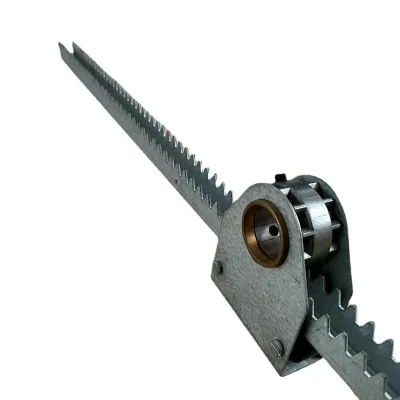
Verification of the gear type is essential, as the market offers both non-circular and circular gear options with varying toothed portion shapes. The supplied facts highlight spur gears and sintered manufacturing methods, which are suitable for agricultural machinery and motors but require specific hardness checks. Buyers must confirm that the gear position is external and that the hardened tooth surface meets the operational demands of continuous heating systems or frequent ventilation cycles in outdoor environments.
Density and material composition are critical technical parameters that influence the longevity of the rack and pinion assembly. Observed density values range from 6.2 to 7.4 g/cm³, with materials specified as cast iron or steel-plastic composites. Procurement teams should request material certificates to ensure the density aligns with the stated specifications, as variations in cast iron quality can affect the gear's resistance to wear and corrosion, particularly in humid conditions associated with aquaculture or vegetable cultivation.
Compliance and Safety Documentation
Safety documentation must address the specific environmental conditions where the greenhouse operates, whether indoor, outdoor, or a combination of both. The product data indicates suitability for mixed farming and overwintering scenarios, which implies exposure to varying temperatures and potential moisture levels. Buyers should require evidence that the surface treatment, such as grinding, and any heat treatments like quenching, have been performed to meet safety standards for mechanical components in agricultural settings.
Compliance verification should also extend to the delivery and packaging standards, which are listed as PE bags, bubble bags, cartons, and pallets. The standard dimensions provided, ranging from 10 to 180 mm, suggest a modular approach that must align with international shipping and handling regulations. Procurement teams need to ensure that the packaging protects the precision-machined gears during transit and that the delivery time, observed between 20 and 45 days, allows for sufficient time to verify all safety and quality documentation before installation.
Cost Drivers and Commercial Terms
The primary cost drivers for single layer greenhouse rack and pinion systems include the complexity of the manufacturing method and the specific customization scope. Sintered gears and custom models like HLXCL-541 often command higher prices due to the precision required in their production. Buyers should evaluate whether the cost includes the full scope of customization, such as custom logos or specific tarpaulin colors, as these add-ons can significantly impact the final commercial terms and the overall budget allocation for the project.
Commercial terms are heavily influenced by the observed MOQ range of 10 to 10,000 units, which allows for flexibility in order sizing. However, the lead time varies from 20 days to 45 days depending on the order volume and the level of customization requested. Procurement teams must negotiate clear delivery schedules that account for these variations, ensuring that the supply chain can accommodate the specific production greenhouses or ecological greenhouses that require immediate or phased installation of the ventilation accessories.
Supplier Qualification and Quality Control
Supplier qualification should focus on their ability to support both OEM and ODM requirements while maintaining consistent quality across different product models. The presence of specific model numbers like HLXCL-222 alongside custom standards suggests a supplier capable of adapting to diverse client needs. Buyers must verify that the supplier has a robust quality control process for heat treatment and surface finishing, as these processes are critical for ensuring the gear hardness and durability required for long-term agricultural machinery applications.
Quality control protocols must also address the density and material consistency of the cast iron or steel-plastic components used. Given the observed density variations, suppliers should provide batch-specific test results to confirm that the material properties meet the stated specifications. Procurement teams should request samples for physical inspection to verify the toothed portion shape and gear position, ensuring that the mechanical transmission system will operate smoothly within the arched roof structures of the intended greenhouse environment.
Long-Term Procurement Checks
Long-term procurement strategies should include regular audits of the supplier's ability to maintain consistent lead times and delivery schedules. The observed delivery times of 20 to 45 days indicate a need for careful inventory planning to prevent project delays in critical agricultural cycles. Buyers should establish performance metrics that track the supplier's adherence to these timelines, ensuring that the supply of rack and pinion systems remains reliable for ongoing maintenance and expansion of production greenhouses or ecological farming operations.
Sustainability and adaptability are also key factors for long-term success, particularly given the diverse applications ranging from herbal medicine to fruit cultivation. Procurement teams should assess the supplier's capacity to support future customization needs, such as changes in tarpaulin colors or packaging requirements, as market demands evolve. Regular reviews of the product's performance in the field, specifically regarding the ventilation accessories and window opening functions, will help identify any necessary adjustments to the mechanical specifications for optimal long-term operation.
FAQs
What is the delivery time for single layer greenhouse rack and pinion?
The delivery time is typically 20 days for standard orders. Some custom configurations may require 25 to 45 days depending on production schedules. Buyers should confirm specific timelines with suppliers before placing large orders to ensure timely project completion.
Can I customize the single layer greenhouse rack and pinion?
Yes, customization is available for this product line. Suppliers support custom logos, tarpaulin colors, and specific packaging requirements. Buyers can request tailored solutions to match their unique greenhouse ventilation needs and branding preferences effectively.
Which materials are used for single layer greenhouse rack and pinion?
Common building materials include steel-plastic combinations and cast iron components. Cover materials often feature glass or film depending on the specific model. These durable materials ensure structural integrity and long-term performance in various agricultural environments.
What is the suitable usage for single layer greenhouse rack and pinion?
This equipment is suitable for aquaculture, flower cultivation, and vegetable farming. It also supports herbal medicine, mixed farming, and overwintering of poultry and livestock. The system works well for seedling cultivation in both indoor and outdoor settings.
How is the single layer greenhouse rack and pinion packaged?
Products are packed in PE bags, bubble bags, cartons, or on pallets. Customized packaging options are available upon request. This ensures safe transport and protection of the rack and pinion components during international shipping to various global destinations.
What is the origin of the single layer greenhouse rack and pinion?
The product originates from China. Suppliers based in this region offer competitive pricing and extensive manufacturing capabilities. Buyers can access a wide range of models and specifications directly from these established production centers.
Which heating method is used in the single layer greenhouse rack and pinion?
The system utilizes continuous heating methods for optimal climate control. This ensures stable temperatures for sensitive crops like seedlings and vegetables. The design supports efficient energy use while maintaining consistent growing conditions throughout the production cycle.